IV Exosome Therapy
Explore an emerging, investigational approach centered on extracellular vesicles and the science of cellular communication.
Exploring the Science of Cellular Communication
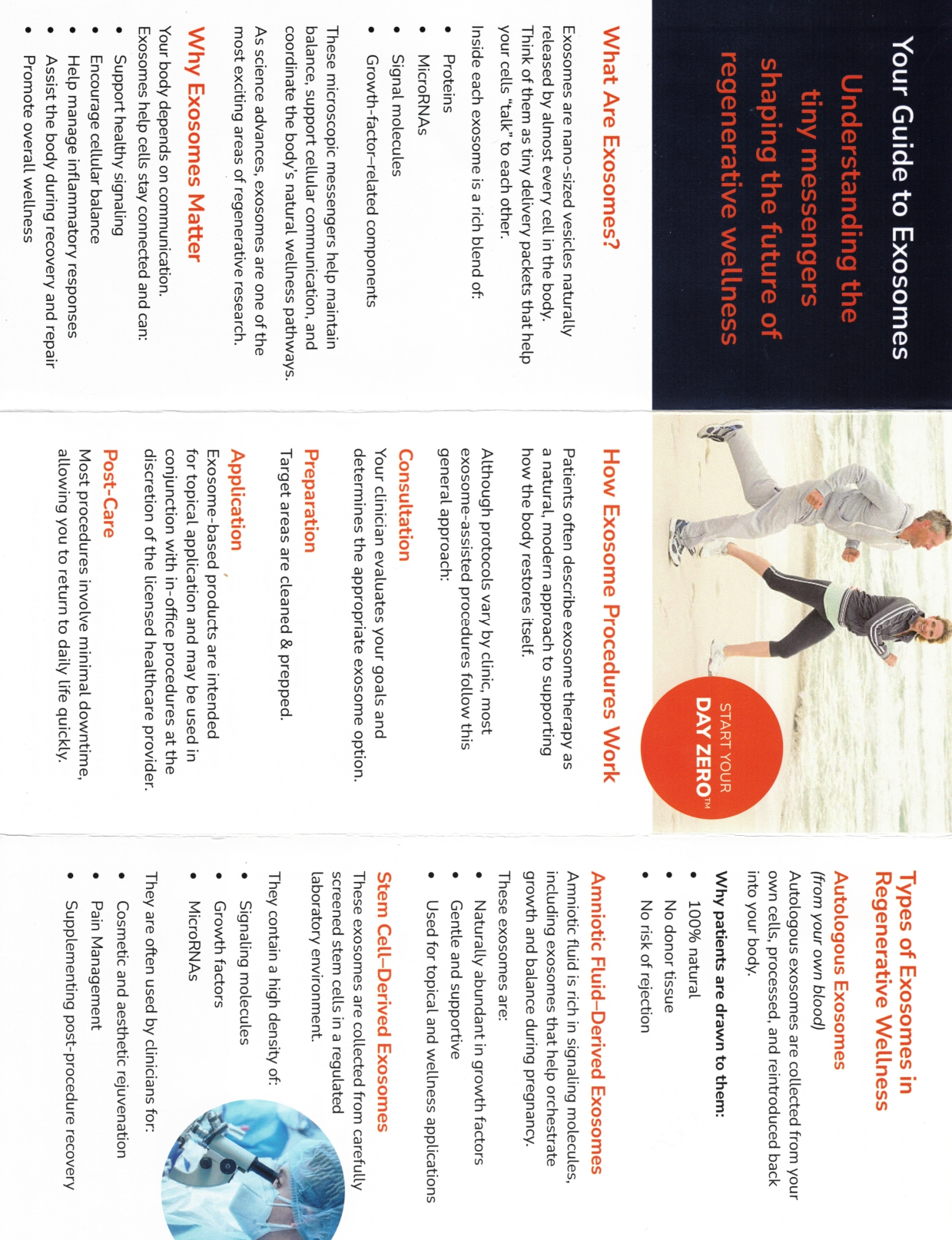
Exosomes are microscopic extracellular vesicles involved in communication between cells.
They carry molecular cargo—including proteins, lipids, and nucleic acids—that cells use to exchange information. Researchers are actively investigating how these signaling particles may influence cellular behavior, inflammatory pathways, tissue response, and recovery.
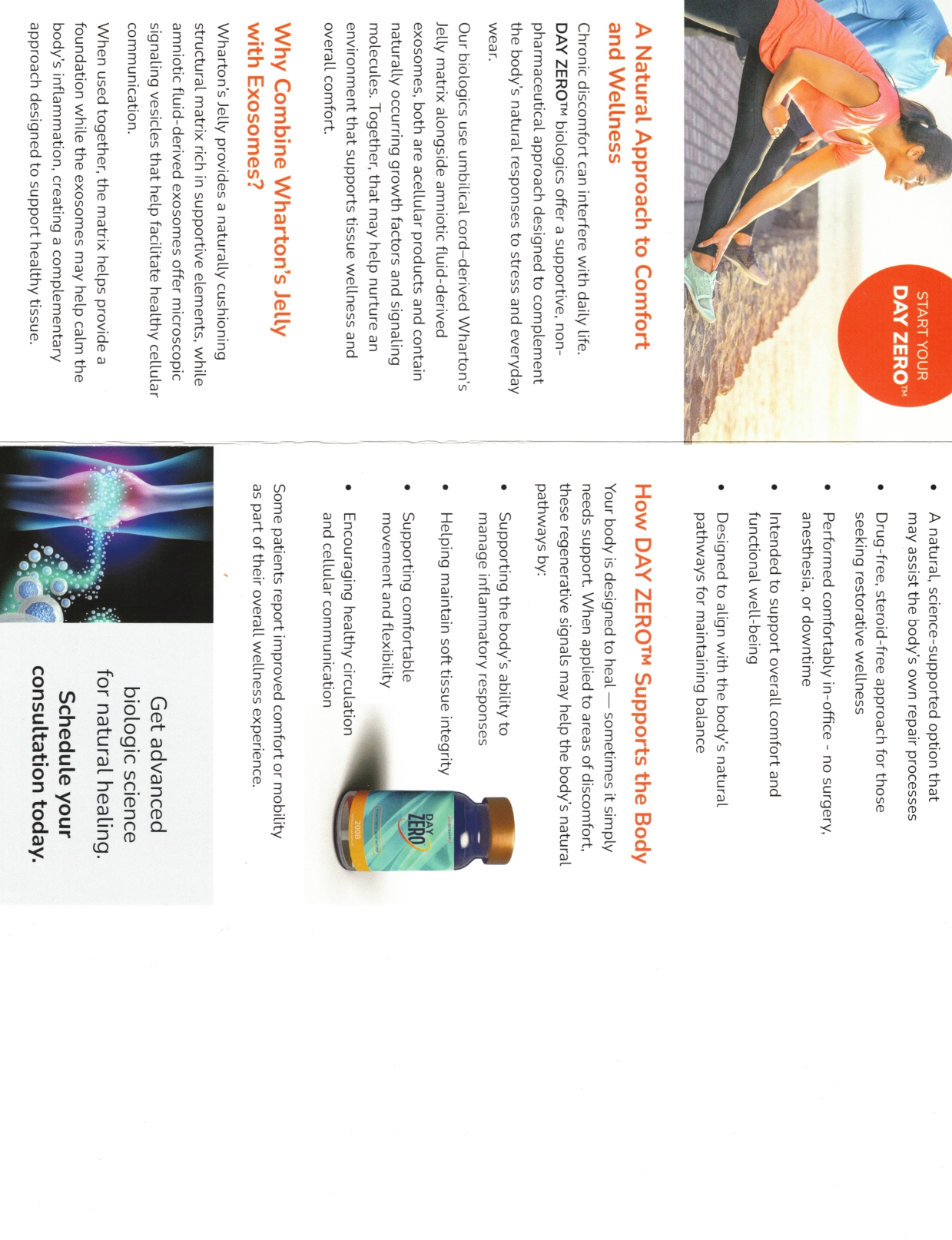
Sanger Wellness Center offers medically supervised IV exosome therapy using products manufactured by ZEO ScientifiX. Treatment is considered only after a detailed evaluation and an informed discussion of the investigational nature of exosome therapy, its potential risks, its limitations, and available alternatives.
What Are Exosomes?
Exosomes are nanoscale vesicles naturally released by cells. They do not contain living cells. Instead, they act as carriers of biological information that can be transferred from one cell to another.
How IV Exosome Therapy Is Intended to Work
During IV administration, an exosome-containing preparation is introduced into the bloodstream through an intravenous infusion. The scientific rationale centers on the potential ability of extracellular vesicles to participate in intercellular signaling throughout the body.
Laboratory, preclinical, and early clinical research is exploring exosomes in relation to inflammatory signaling, immune activity, tissue repair, and cellular recovery. However, research remains ongoing, and these potential mechanisms should not be interpreted as proof that IV exosomes can diagnose, cure, prevent, or treat any disease.
Why Are Exosomes Being Studied?
Current scientific interest is focused on how extracellular vesicles participate in normal cellular processes and how those processes could potentially be applied in regenerative medicine.
Cellular Signaling
Exosomes transport molecular information between cells and are being studied for their role in coordinating cellular responses.
Inflammatory Pathways
Researchers are examining how extracellular vesicles interact with biological pathways involved in the body’s inflammatory response.
Tissue Response
Preclinical studies are exploring how exosome signaling may influence the way tissues respond to stress or injury.
Immune Communication
Exosomes can interact with immune cells, making their potential immunomodulatory activity an important area of ongoing research.
Recovery Science
Researchers continue to investigate whether extracellular vesicles may have future applications in recovery and regenerative care.
Healthy Aging Research
Cellular communication and tissue resilience are key areas of interest within the developing field of healthy-aging research.
What to Expect
Your safety, understanding, and informed participation are central to the process.
Medical Evaluation
Your provider reviews your health history, medications, allergies, current concerns, previous treatments, and treatment goals.
Informed Discussion
We explain the investigational status of IV exosomes, available research, uncertainties, potential risks, and alternative options.
IV Administration
If treatment is appropriate and you choose to proceed, the preparation is administered intravenously while our clinical team monitors you.
Understanding IV Exosome Therapy
Are exosomes the same as stem cells?
No. Exosomes are extracellular vesicles and do not contain living cells. They are released by cells and carry molecular signals, but they cannot reproduce or become new tissue in the way living stem cells may.
Is IV exosome therapy FDA-approved?
No. There are currently no FDA-approved exosome products for the prevention, diagnosis, or treatment of disease. IV exosome therapy is investigational, and this will be discussed with you before any treatment decision is made.
What results should I expect?
Individual responses cannot be predicted, and no clinical result is guaranteed. Exosome research is still developing, and evidence for many promoted applications remains limited.
Are there potential risks?
As with any intravenous or biologic procedure, risks may include an infusion reaction, infection, immune response, allergic reaction, or other known and unknown complications. Your provider will review the potential risks in detail.
How long does the appointment take?
Appointment length depends on the evaluation, preparation, and prescribed protocol. Our team will provide timing and preparation instructions when your visit is scheduled.
Who may not be a candidate?
Candidacy must be determined individually. Certain health conditions, medications, pregnancy, active infections, allergies, or immune-related concerns may make treatment inappropriate. A medical evaluation is required.
Speak With Our Wellness Team
Schedule a consultation to review the science, potential risks, limitations, and whether this investigational option is appropriate for you.
Explore Our Brochures
View additional information about our regenerative wellness options.